See what you already buy
Regular fresh-food purchases show where growing at home could make a genuine difference.
A practical guide for ordinary homes and real grocery bills
A practical way to decide what is worth growing for your household, where it can fit and how to keep useful food coming, without turning your whole garden or your whole life upside down.
US$37
One-time payment. No subscription.
Buy NowA 170-page digital guide with a 13-page printable workbook.
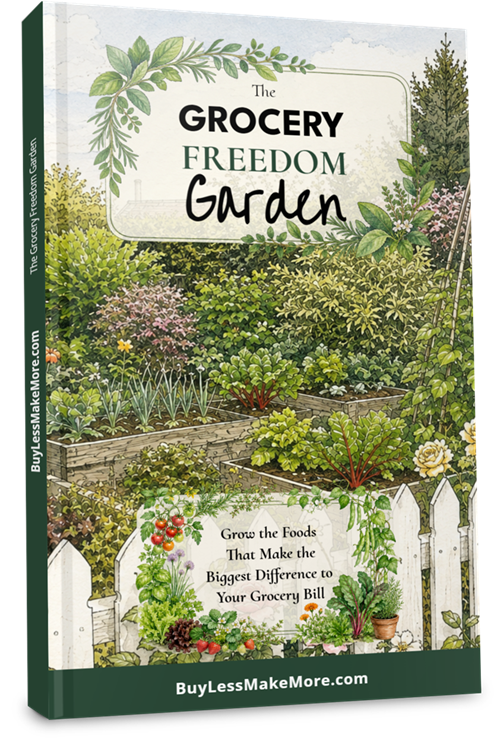 Digital product
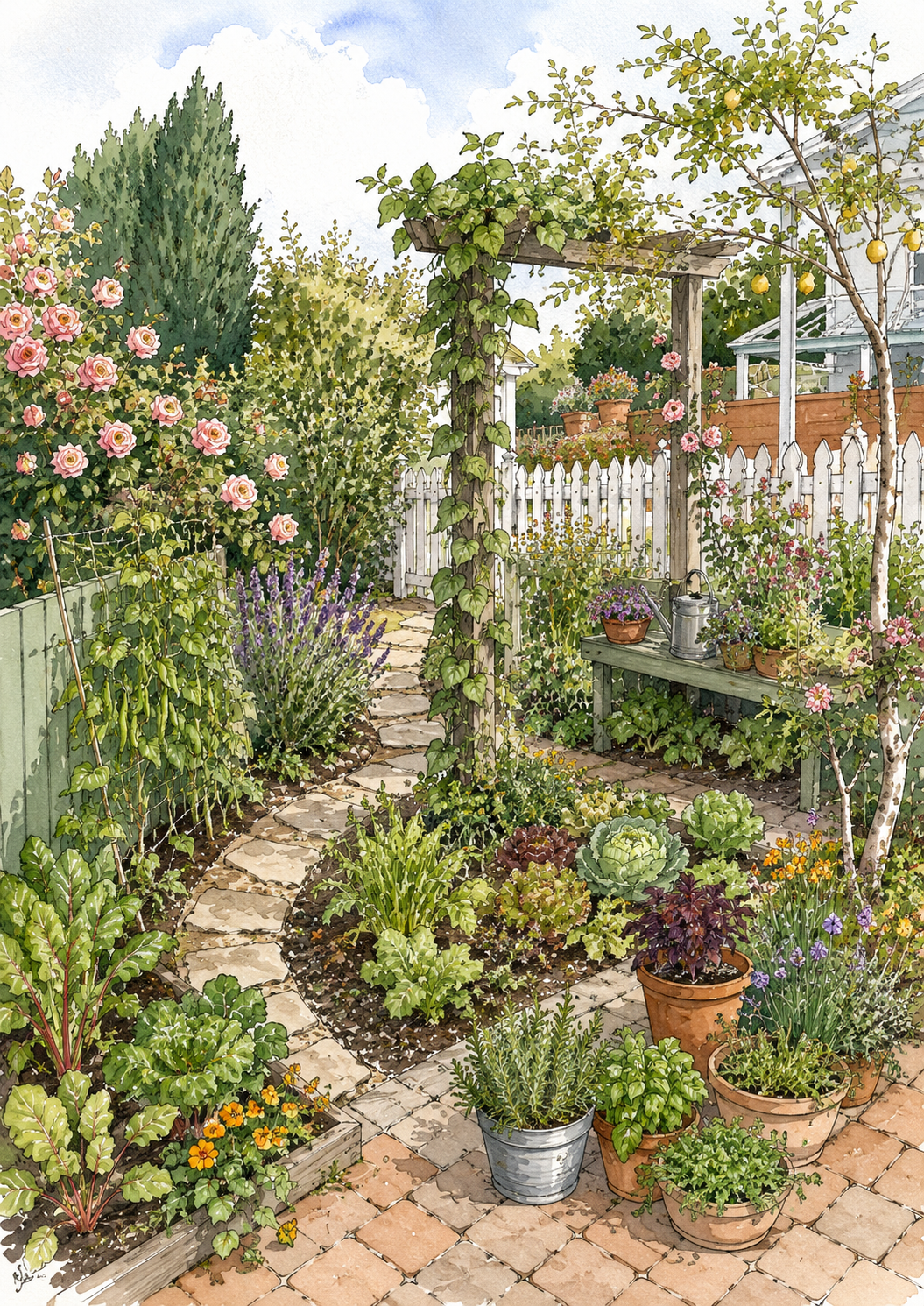
A different starting point
This guide begins at the supermarket.
A packet of herbs, a bag of salad leaves, a punnet of berries or a couple of capsicums may not look like much on one shopping trip. Regular purchases add up over a year.
A productive garden does not need to replace the supermarket. A few well-chosen plants can replace some of the purchases that keep appearing in your trolley.
The Grocery Freedom method
Your household's food habits, your available space and the crops most likely to give a worthwhile return become part of one practical plan.
Regular fresh-food purchases show where growing at home could make a genuine difference.
Grocery value, productivity, practicality and repeat value identify the strongest candidates.
Existing beds, paving, fences, courtyards, balconies and containers can all contribute.
Seasonal planning, repeated harvests and succession planting help a small area do more.
A harvest matters most when it becomes food your household uses and a purchase you no longer make.
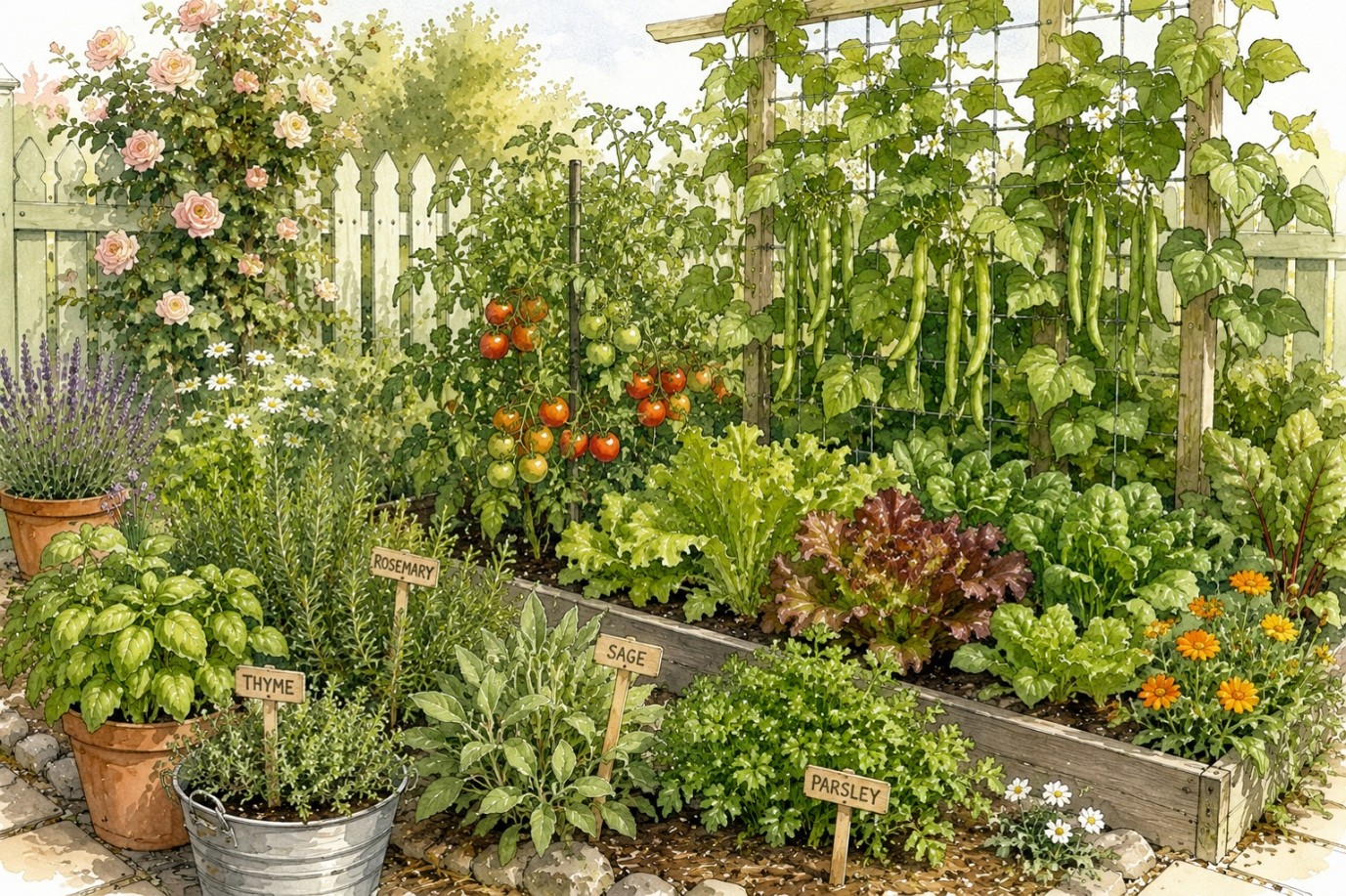
Space you may have missed
Useful food can sit amongst flowers and shrubs, climb a fence, grow beside the house or turn a sunny piece of paving into productive space.
The guide helps you look at the home you already have before buying beds, containers or equipment.
Inside the guide
Sixteen clear sections take you from deciding what deserves space to using, preserving and measuring what you grow.
A closer look at regular fresh-food purchases and which repeat costs deserve attention first.
A four-factor method for comparing grocery value, productivity, practicality and repeat value.
Ways to use beds, fences, paving, pots and gaps amongst ornamental plants.
A method for matching useful crops to suitable places and setting sensible priorities.
Flexible seasonal thinking, growing windows and succession planning for different climates.
Plants that keep giving and ways to make a limited amount of space work harder.
Small-space crops, longer-term choices and the kitchen-door test.
Habits that help garden food reach the kitchen, replace purchases and avoid waste.
A manageable plan for starting, watching what happens and building on what works.
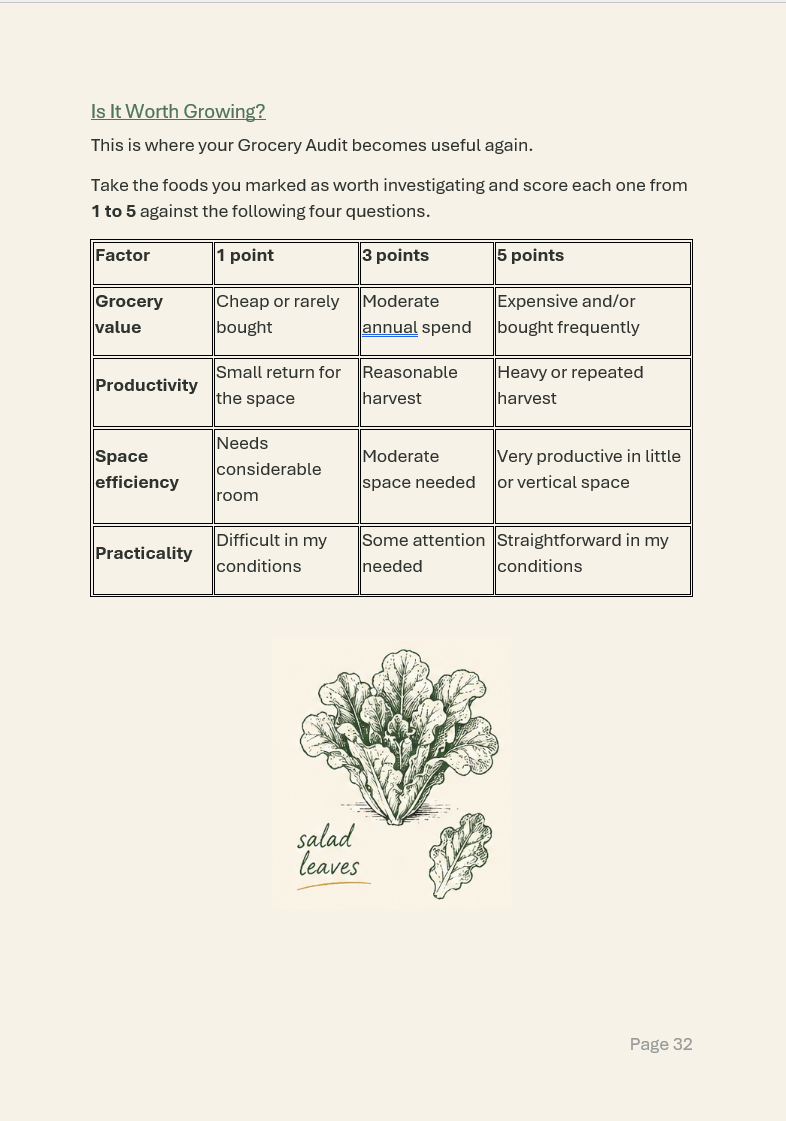
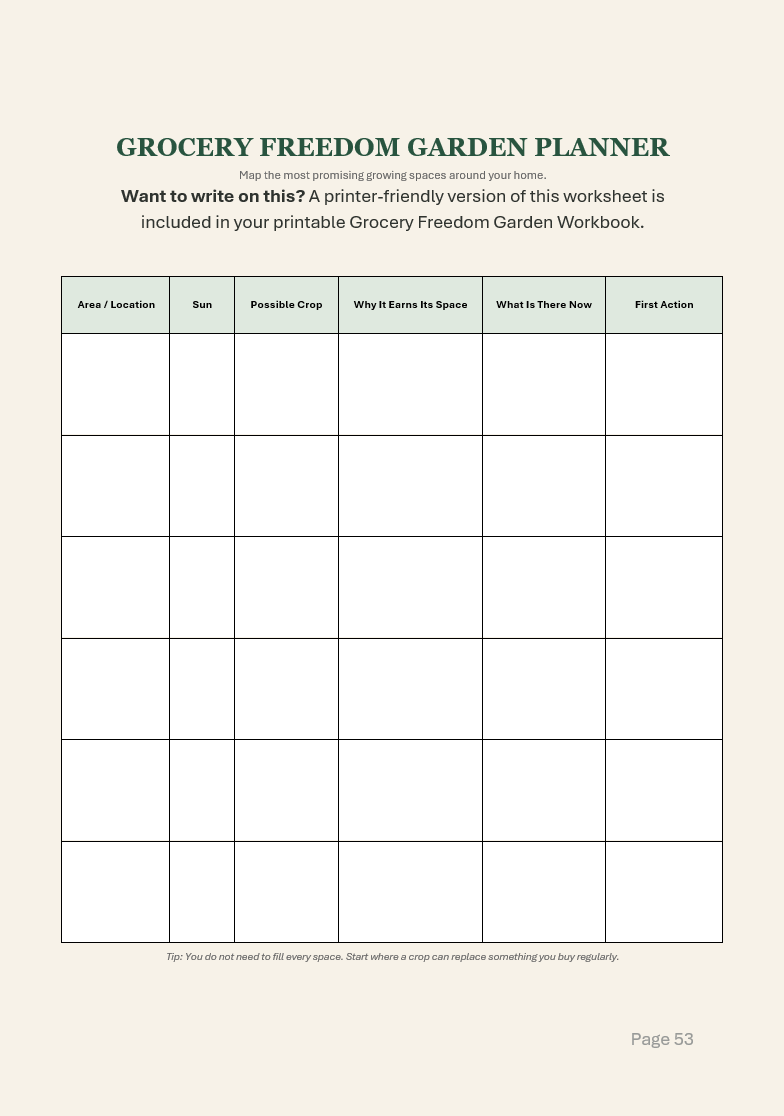
A practical guide, not just reading
The guide includes clear tools for comparing crops, mapping growing areas and choosing the first actions that make sense for your household.
Small space can still have value
The best choice is not always the crop with the largest harvest.
Repeatedly harvested herbs, salad leaves, beans, berries and other regularly used foods can earn space in ways that a large, one-off crop may not.
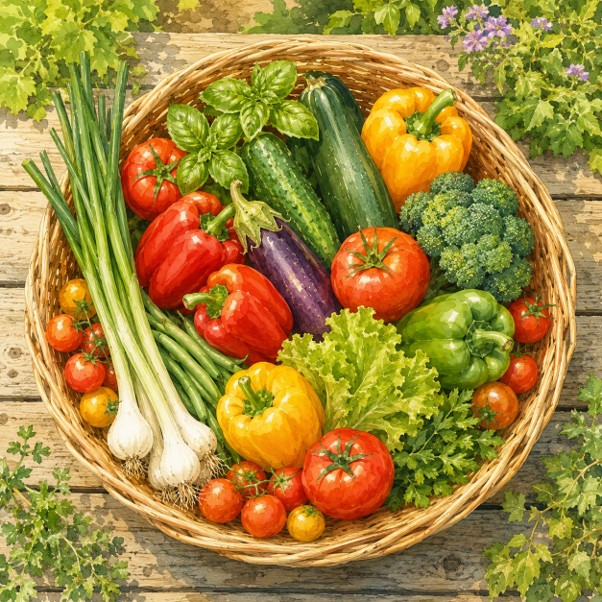
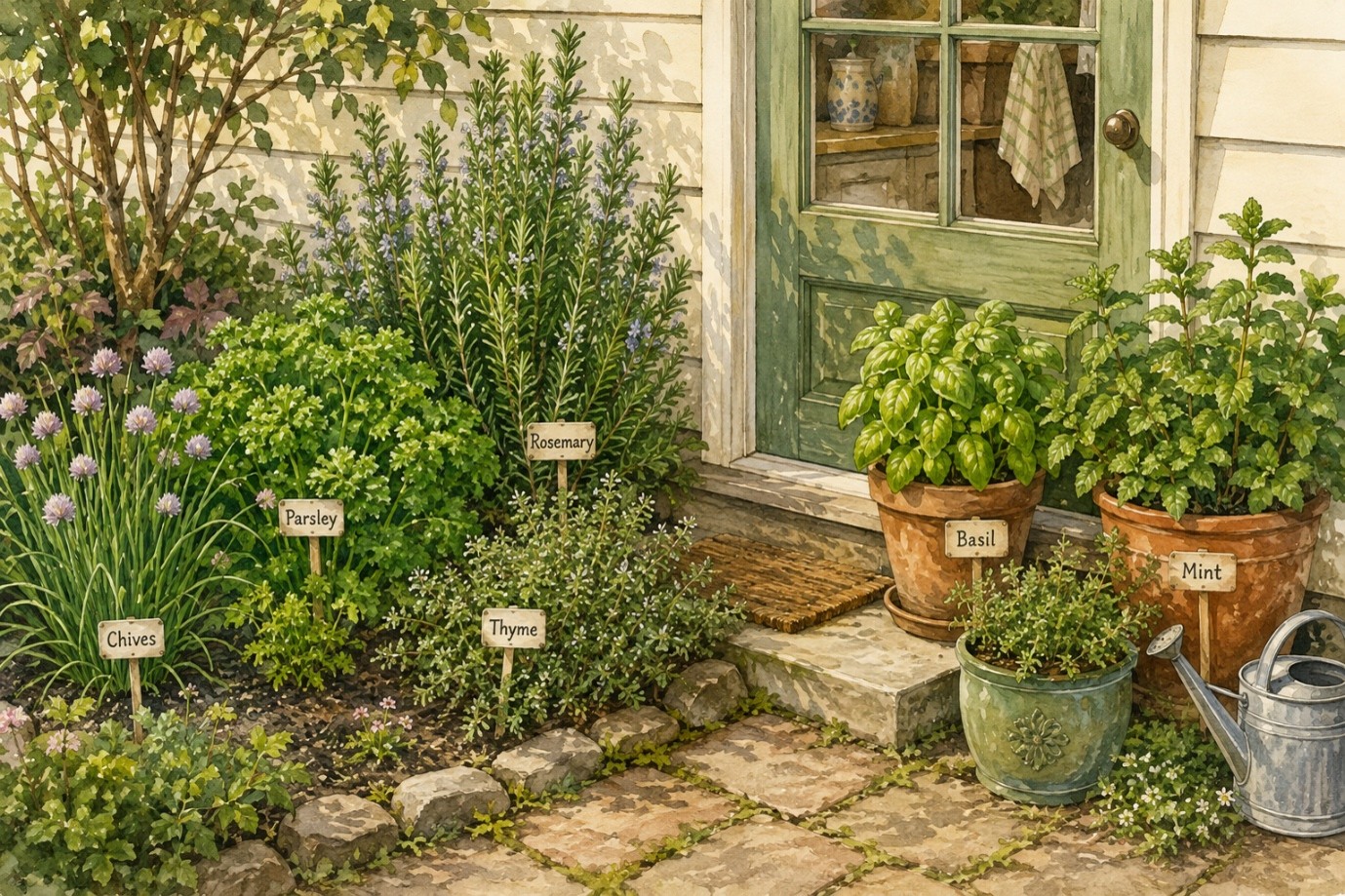
Small space, strong grocery value
One well-placed herb may provide fresh leaves, flavour for flexible meals and surplus that can be saved for later.
The guide looks at what your household already buys, how much one plant may provide and why frequently used herbs belong close to the kitchen.
New to gardening?
The Absolute Beginner's Quick Start explains the basics without assuming you already know the language of gardening.
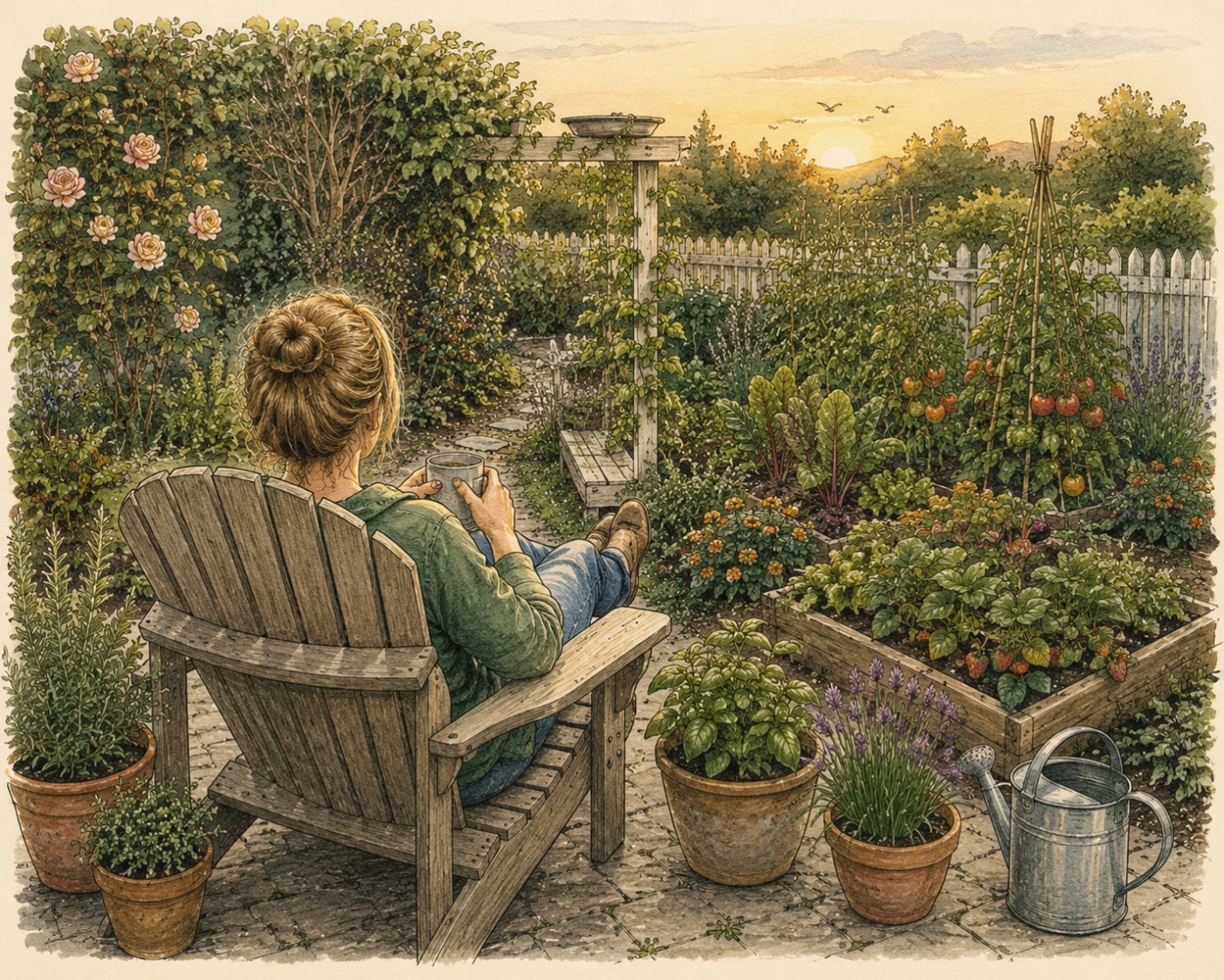
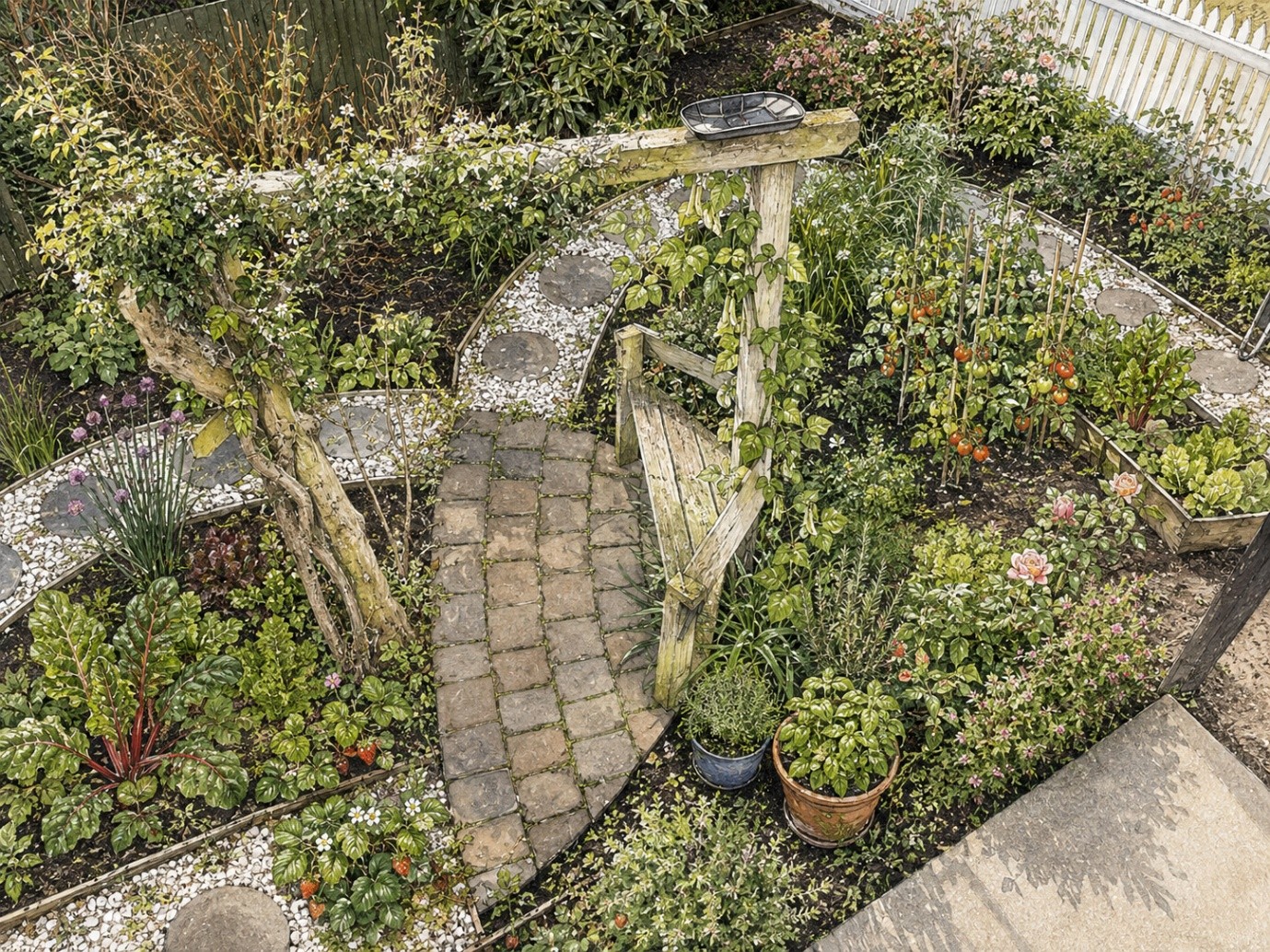
A real garden makeover
The book follows an ordinary established garden and shows where useful food could fit.
Areas close to the house, climbing spaces, gaps in ornamental beds, paving and permanent productive plants each play a part. Most of the garden stays exactly where it is.
The accompanying workbook
The 13-page printable workbook gathers the main planning tools in one clean file.
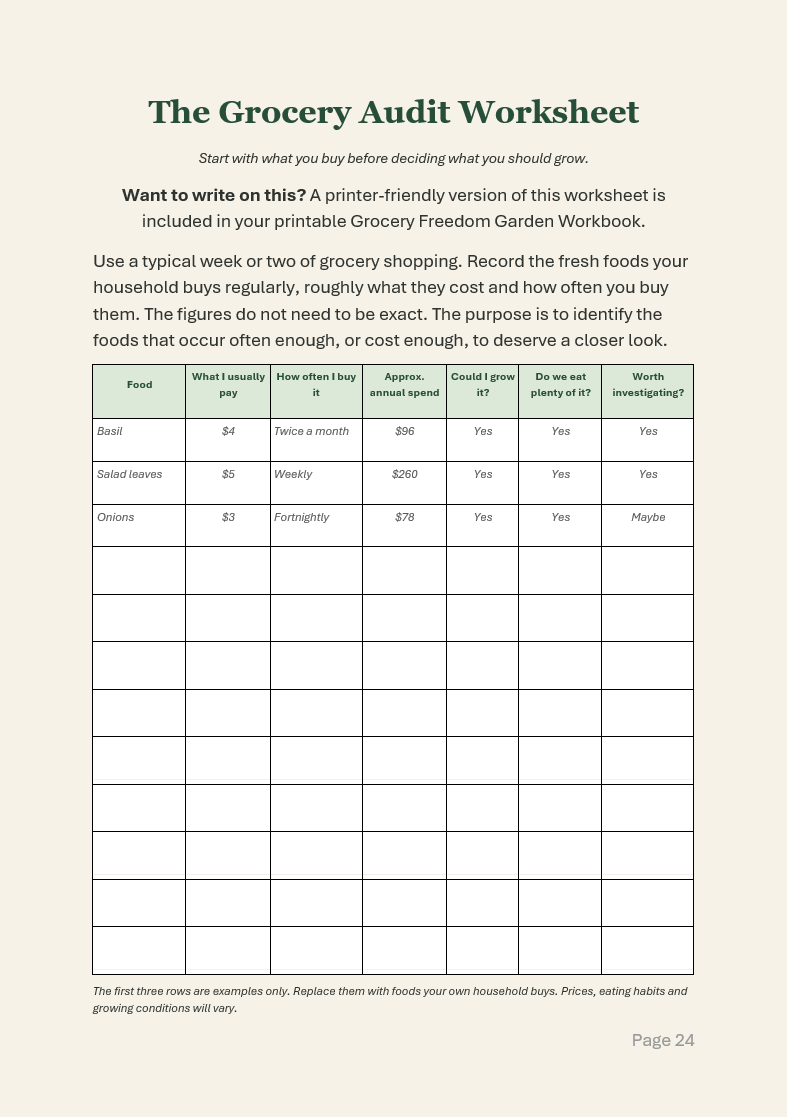
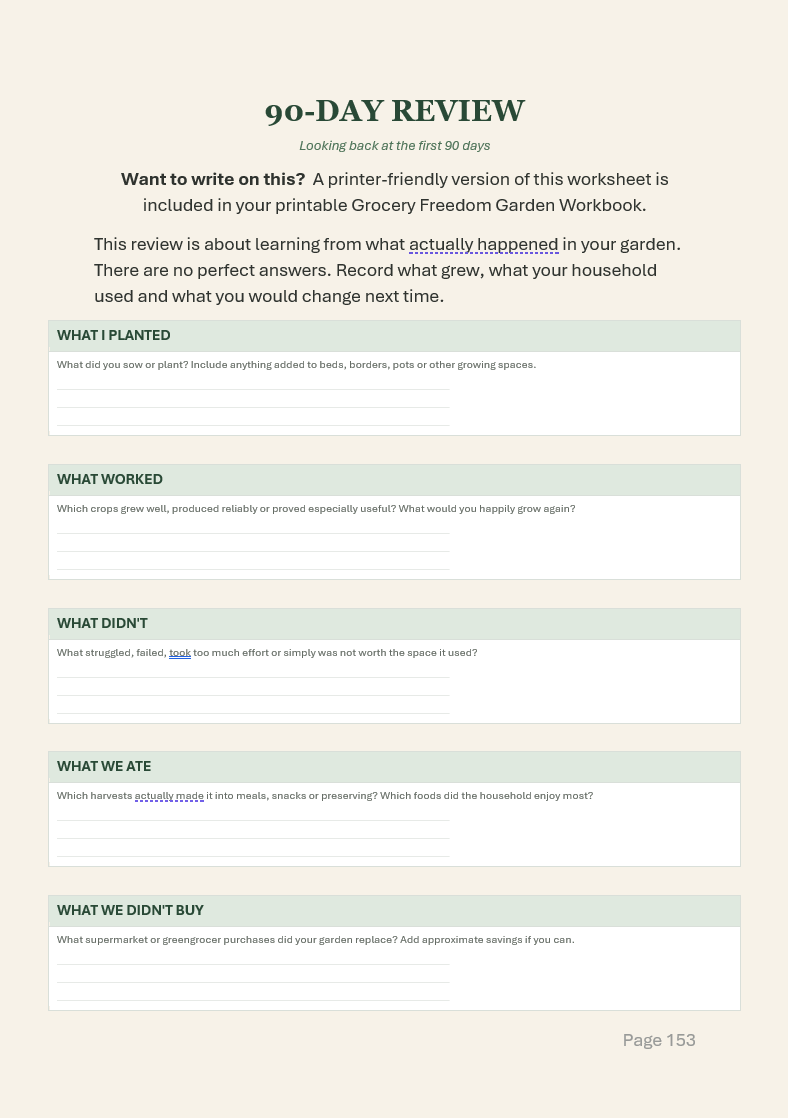

A clear fit matters
The goal is some of the foods you now buy, especially those that could make a worthwhile difference to your grocery bill.
This is not an encyclopaedia for every crop. The focus is what deserves space, where it can fit and how to keep useful food coming.
The principles still apply, but the guide was written for ordinary homes and limited space.
Seeds need to germinate, plants need to grow and some attempts will fail. Replacement happens gradually.
Watering, planting, harvesting and occasional weeds, pests or disappointing results remain part of growing food.
Mismatched pots, holey lettuces and entertainingly shaped carrots still count if they reach the kitchen.
Beautiful beds and equipment can be lovely, but saving money should not begin with a large shopping bill.
Climates vary too much for one calendar. Trusted local advice should provide exact planting times.
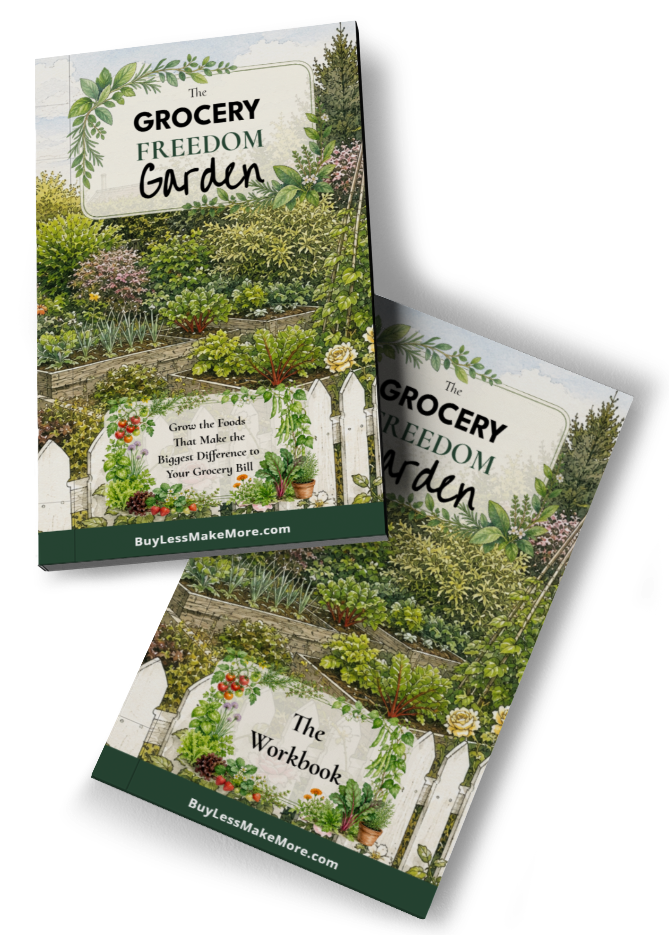
The complete digital set
A practical way to grow foods that can make a difference to your household, in the space you already have.
 Digital product
US$37
One-time payment. No subscription.
Buy NowDigital product. Your PDF files will be available after purchase.
You may request a full refund for any reason within 60 days of purchase. Refunds are processed by DigiStore24.
Questions before you buy
No. Existing flower beds, a sunny strip beside the house, pots on paving, a balcony or a fence may be enough.
Yes. The guide uses seasons rather than one fixed planting calendar and includes a season translator for northern and southern hemisphere readers.
Yes. The Absolute Beginner's Quick Start covers basic care of plants, containers and seeds.
No. This is a decision-making and planning guide. Plant labels, seed packets and local gardening sources provide crop-specific growing instructions.
No. The guide can be read on a screen. The workbook is supplied as a separate, printer-friendly PDF.
No particular saving can be promised. Results depend on what your household eats, what you grow, your conditions and how much of the harvest replaces food you would otherwise buy.
One useful crop is enough to begin
The Grocery Freedom Garden will help you choose a few worthwhile foods, give them a reasonable place to grow and notice the purchases they replace.
US$37
One-time payment. No subscription.
Buy NowYou may request a full refund for any reason within 60 days of purchase. Refunds are processed by DigiStore24.